How to clean up bodily fluids safely without exposing your family
A practical, no-nonsense guide to safe bodily fluid cleanup at home in Naval Air Station JRB, Texas - PPE, disinfectants, and when to call a professional.
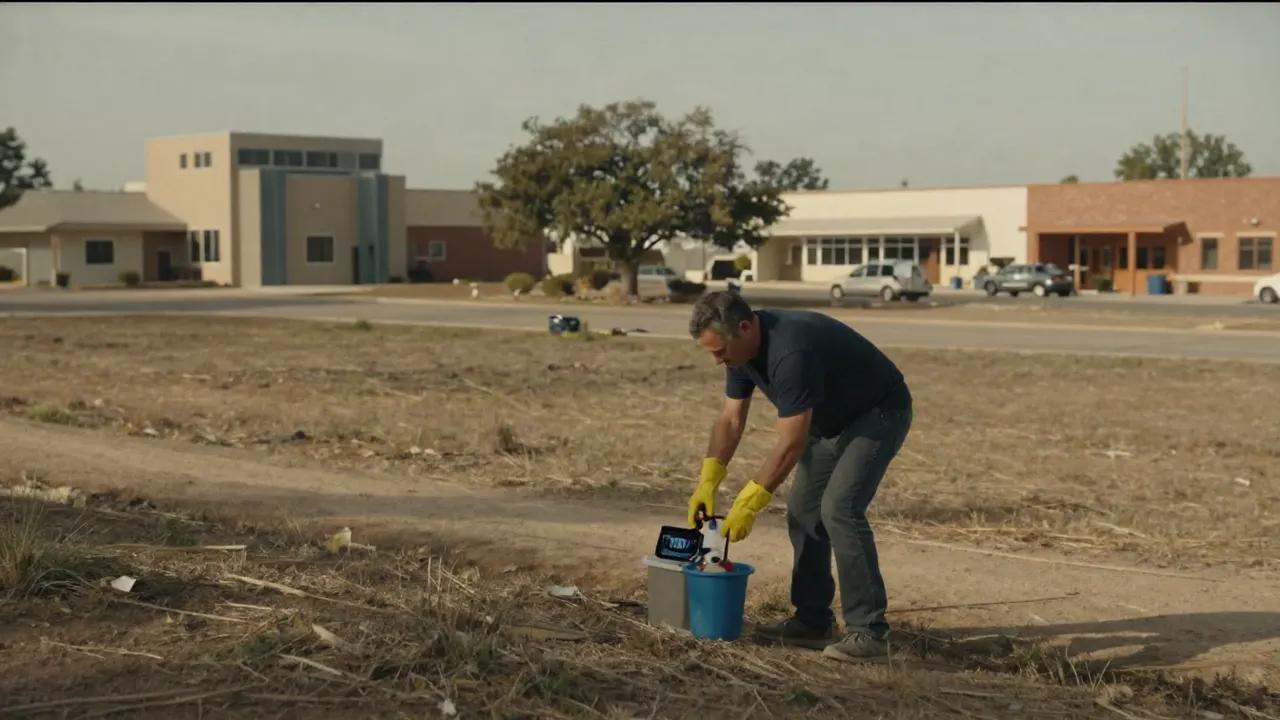
Cleaning up bodily fluids safely without exposing your family means treating every spill as potentially infectious, wearing the right personal protective equipment (PPE), using an EPA-registered disinfectant that kills bloodborne pathogens, and disposing of all waste in sealed, puncture-resistant bags. If the spill is larger than a few ounces, involves porous materials like carpet or upholstery, or comes from an unknown source, stop and call a professional biohazard cleanup company. The rest of this guide walks you through exactly what to do - and what never to do - so you can protect your household in Naval Air Station JRB and anywhere else in Tarrant County.
Why bodily fluids are more dangerous than they look
Blood, vomit, urine, feces, and saliva can all carry bloodborne pathogens - viruses and bacteria that survive on surfaces long enough to infect someone who touches them. The big three are hepatitis B, hepatitis C, and HIV. Hepatitis B can live on a dry surface for up to seven days. That is not a typo. A drop of blood you cannot even see can still be infectious a week later.
Other risks include norovirus (which causes violent vomiting and diarrhea and spreads through tiny fecal particles), MRSA, and C. diff. These pathogens do not care whether the spill happened from a nosebleed, a sick child, or something worse. The cleanup protocol is the same because the risk is the same.
We see this constantly in homes around the Naval Air Station JRB area - a child gets a bloody nose on the couch, a pet has an accident on the carpet, or an elderly parent has a bathroom incident. The instinct is to grab a paper towel and some all-purpose cleaner. That instinct is wrong, and it is how families get sick.
What PPE to use for bodily fluid cleanup in Naval Air Station JRB Texas
Before you touch anything, put on the right gear. This is not optional, and it is not overkill. The CDC recommends a minimum of disposable nitrile gloves and eye protection for any cleanup involving blood or body fluids. For anything more than a tiny spot, add a mask and a gown or apron.
Here is the minimum PPE list for safe bodily fluid cleanup:
- Disposable nitrile gloves - not latex, not dish gloves. Nitrile resists punctures and does not cause latex allergies. Use a fresh pair for every cleanup.
- Eye protection - safety glasses or a face shield. Splashes happen more often than people think.
- N95 or KN95 mask - protects against aerosolized particles and odors.
- Disposable gown or plastic apron - keeps fluids off your clothes and skin.
- Shoe covers - if the spill is on carpet or you will be walking through the area.
Put everything on before you start. Take everything off in the reverse order when you finish, and put it all in a sealed bag. Wash your hands with soap and water for at least 20 seconds immediately after removing your gloves - even if the gloves did not tear.
If you do not have this gear on hand, do not improvise with sandwich bags and sunglasses. Wait until you can get proper PPE, or call us for Bodily Fluids Cleanup in Naval Air Station JRB, Texas. A $30 PPE kit is cheaper than a hospital visit.
Step-by-step: how to clean bodily fluids safely
Once you are geared up, follow this sequence. Do not skip steps, and do not rush. Rushing is how people get exposed.
- Ventilate the area. Open windows and turn on exhaust fans. This reduces airborne particles and makes the space safer to work in.
- Limit foot traffic. Keep kids, pets, and anyone not wearing PPE out of the room. Close the door if you can.
- Absorb the bulk of the spill. Use paper towels, disposable absorbent pads, or kitty litter. Work from the outside of the spill toward the center to avoid spreading it. Do not press down hard - you will push fluids into the carpet or grout.
- Bag the absorbent material. Put it in a double-bagged, puncture-resistant plastic bag. Tie it off and set it aside.
- Clean the surface. Wash with warm water and detergent. This removes organic matter that can shield pathogens from disinfectants.
- Disinfect. Apply an EPA-registered disinfectant labeled for bloodborne pathogens. Let it sit for the full contact time listed on the label - usually 1 to 10 minutes. Wiping it off too soon defeats the purpose.
- Dispose of everything properly. All used PPE, towels, and bags go into a sealed trash bag. In Texas, you can typically place small quantities of household biohazard waste in your regular trash if it is double-bagged and not leaking. For larger volumes, contact the City of Fort Worth or a medical waste disposal service.
- Wash your hands and shower if needed. Soap and water, 20 seconds minimum. If you got any fluid on your skin, wash that area immediately.
If the spill soaked into carpet, upholstery, or drywall, surface cleaning is not enough. Fluids wick into padding and subfloor, and pathogens can survive there for weeks. That is when you need professional biohazard remediation in Naval Air Station JRB Texas - we remove and dispose of contaminated materials, not just wipe them down.
What disinfectant kills pathogens in bodily fluids in Naval Air Station JRB Texas
Not all disinfectants are equal. The EPA maintains a list of registered products that are proven to kill bloodborne pathogens. Look for one of these active ingredients on the label:
- Bleach (sodium hypochlorite) - a 1:10 dilution (about 1/4 cup bleach per gallon of water) kills most pathogens in 5 minutes. Make it fresh daily; bleach loses potency over time.
- Accelerated hydrogen peroxide - effective, less corrosive than bleach, and safe for most hard surfaces.
- Quaternary ammonium compounds - good for routine disinfection but check the label for bloodborne pathogen claims.
- Phenolics - effective but can be harsh on skin and some surfaces.
Whatever you choose, the contact time matters more than the product. If the label says 10 minutes, it means 10 minutes wet. Spraying and immediately wiping is not disinfecting - it is just spreading germs around.
For porous surfaces like carpet, no disinfectant works reliably. The only safe option is removal and disposal. We handle that every week for families across Biohazard Cleanup in NAS JRB Fort Worth, and we can tell you within minutes whether your carpet can be saved or needs to go.
Common mistakes that put your family at risk
Most people who get sick after a cleanup made one of these mistakes. Avoid them.
- Using a vacuum or steam cleaner. Vacuums aerosolize pathogens and spread them through the air. Steam cleaners can push fluids deeper into carpet. Never vacuum a wet biohazard spill.
- Using a regular household cleaner only. All-purpose spray does not kill bloodborne pathogens. You need an EPA-registered disinfectant with a bloodborne pathogen claim.
- Skipping eye protection. A splash of contaminated water in your eye is a real exposure risk. Wear glasses or a shield.
- Reusing gloves or towels. Single-use means single-use. Do not rinse and reuse.
- Putting contaminated waste in an open trash can. Double-bag it and seal it. Animals and kids get into trash.
- Waiting too long. The longer fluids sit, the more they soak in and the more pathogens multiply. Clean within the first hour if you can.
One more mistake we see: trying to handle a trauma scene or unattended death cleanup yourself. Those situations involve far more than a spill - they involve odor, contaminated drywall, and sometimes structural damage. That is not a DIY job. It is Trauma Scene Cleanup in Naval Air Station JRB, Texas, and it requires specialized equipment and training.
When to call a professional for bodily fluid cleanup in Naval Air Station JRB Texas
Call a professional biohazard cleanup company when the spill is larger than a few ounces, when it involves carpet or upholstery, when the source is unknown or from someone outside your household, or when the situation involves trauma, decomposition, or unattended death. Those scenarios carry risks that household cleaning cannot address.
We also get called for situations that are not emergencies but still need professional help - hoarding situations with accumulated biohazard waste, rental properties where a tenant left a mess, or vehicles that need full remediation. If you are not sure whether your situation qualifies, call us and we will tell you honestly. Sometimes the answer is "you can handle this yourself," and we will say so.
TraumaShield Pros serves Naval Air Station JRB and the surrounding communities. We handle professional blood cleanup in Naval Air Station JRB Texas, odor treatment, and full biohazard remediation. Our team is trained to handle pathogens safely, and we dispose of all waste according to Texas regulations. You do not have to figure this out alone.
Frequently Asked Questions
How do you clean up bodily fluids safely without exposing your family?
Wear nitrile gloves, eye protection, and a mask. Absorb the spill with disposable towels, clean with detergent and water, then disinfect with an EPA-registered product for the full contact time. Double-bag all waste, wash your hands for 20 seconds, and keep children and pets away until the area is fully dry.
What disinfectant kills pathogens in bodily fluids in Naval Air Station JRB Texas?
A 1:10 bleach solution (about 1/4 cup bleach per gallon of water) kills most bloodborne pathogens in 5 minutes. Accelerated hydrogen peroxide products also work well and are less corrosive. Check the label for an EPA bloodborne pathogen claim and follow the listed contact time exactly.
Can I clean bodily fluids myself in Naval Air Station JRB?
Yes, for small spills on hard surfaces - a few ounces or less - if you have proper PPE and an EPA-registered disinfectant. Do not attempt DIY cleanup for spills larger than a few ounces, anything on carpet or upholstery, or situations involving trauma, decomposition, or unknown sources.
When should I call a professional for bodily fluid cleanup in Naval Air Station JRB Texas?
Call a professional when the spill is large, has soaked into porous materials, involves blood from an unknown source, or is part of a trauma or unattended death scene. Professionals have the equipment to remove contaminated materials, eliminate odors, and dispose of waste legally.
What are the risks of cleaning bodily fluids without PPE in Naval Air Station JRB?
Without PPE, you risk direct contact with hepatitis B, hepatitis C, HIV, norovirus, and bacterial infections like MRSA. These pathogens can enter through cuts, mucous membranes, or unwashed hands. Hepatitis B can survive on dry surfaces for up to seven days, so even old, dried spills remain infectious.
Get help with Biohazard Cleanup in Naval Air Station JRB
If you are facing a spill or situation that feels beyond a mop and a bottle of bleach, call TraumaShield Pros. We handle Biohazard Cleanup in Naval Air Station JRB, Texas with the training, equipment, and discretion your family deserves.
Call us at (713) 804-9653. We will tell you what we can do, what it costs, and how fast we can be there.