Industrial Accident Cleanup
Industrial Accident Cleanup in Naval Air Station JRB, Texas
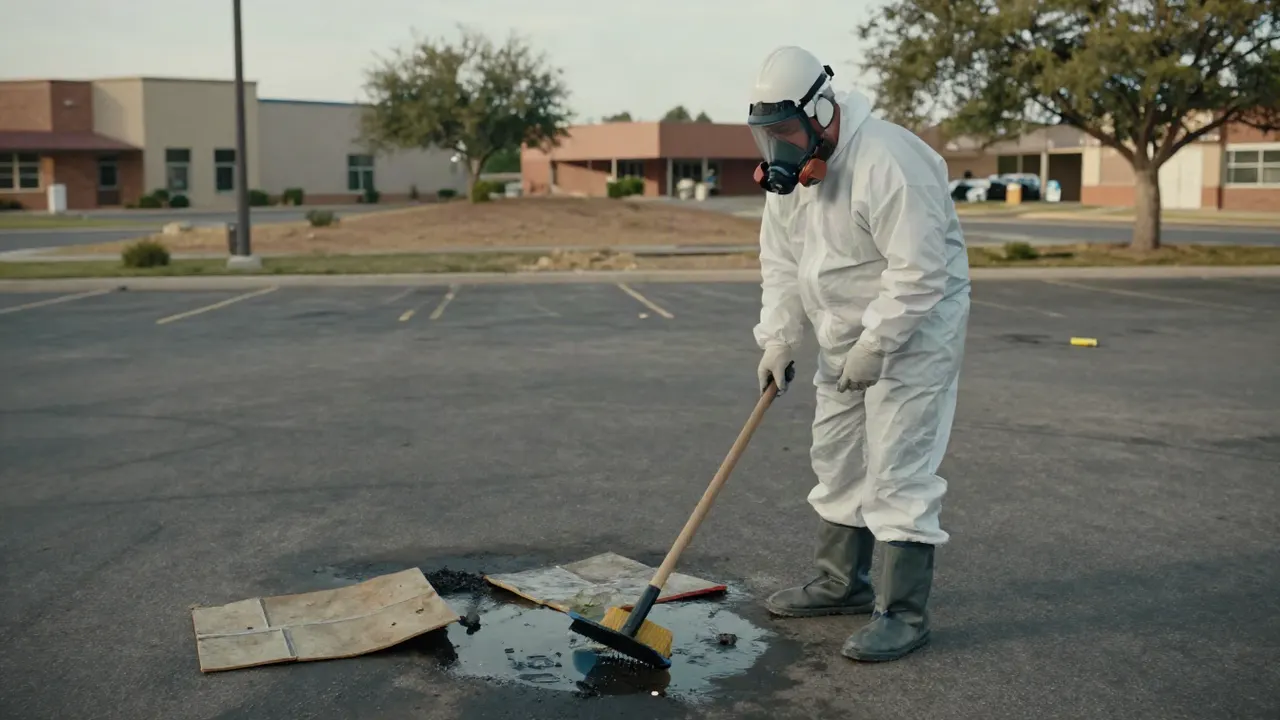
Industrial Accident Cleanup in Naval Air Station JRB, Texas means containing the hazard, removing contaminated material, and documenting every step for your insurer. Our crews handle chemical spills, machine injuries, and biohazard releases at warehouses, hangars, and shops across the area. We answer the phone 24/7 and roll a fully stocked truck to your site, usually within the hour.
Service overview
What Industrial Accident Cleanup in Naval Air Station JRB, Texas Covers
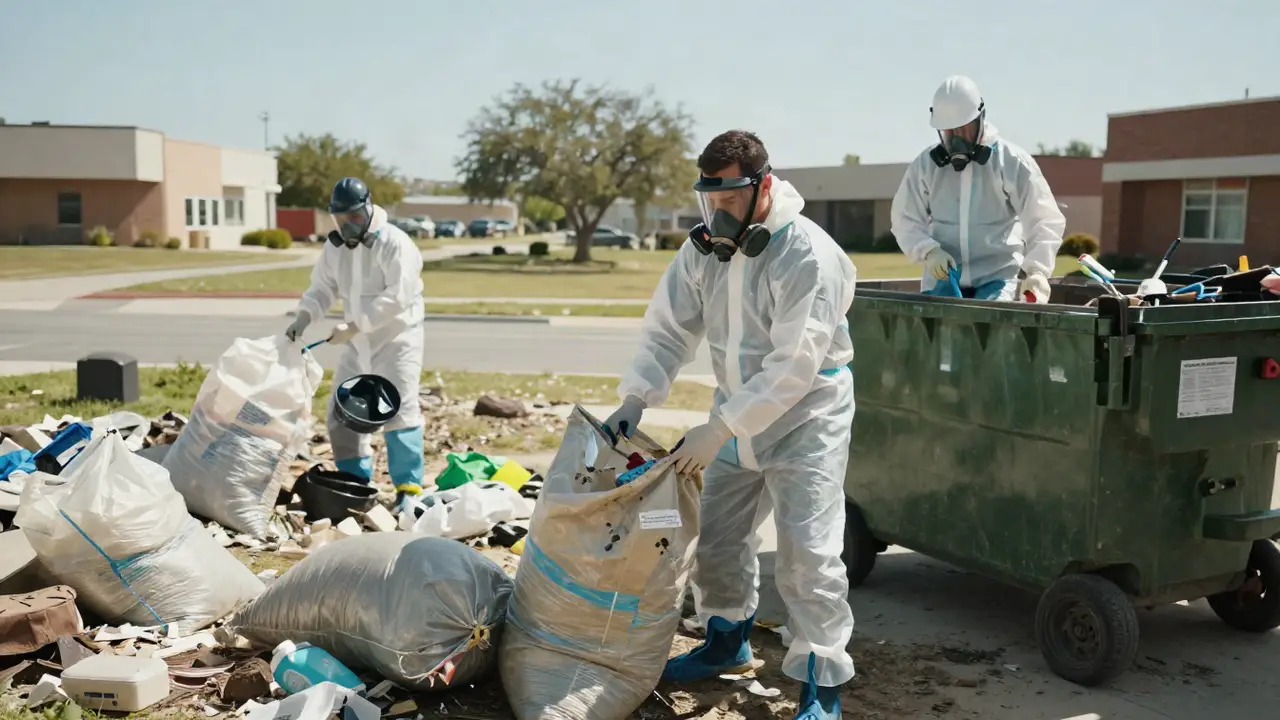
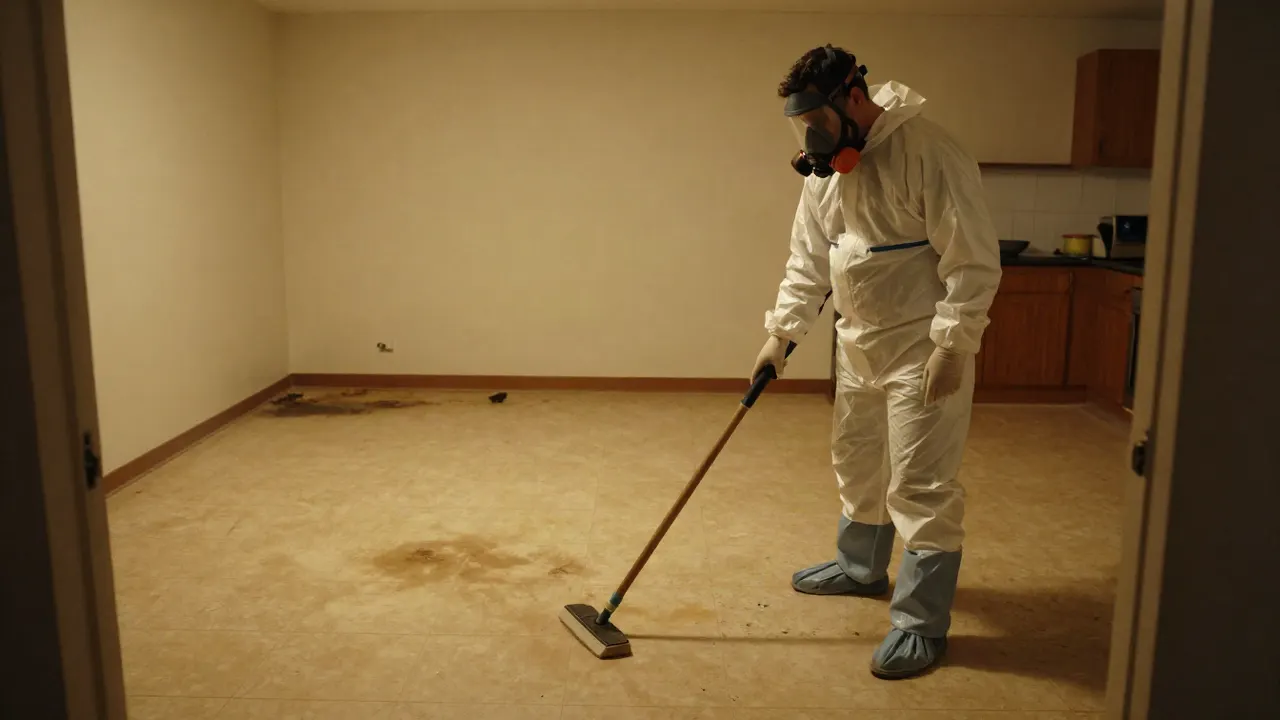
Industrial Accident Cleanup in Naval Air Station JRB, Texas is the controlled removal, disinfection, and disposal of hazardous material released during a workplace incident. That means chemical spills, blood and bodily fluids from machine injuries, fuel and solvent releases, and contaminated PPE or product. We set up containment, don Tyvek suits and nitrile gloves, and work from the clean side to the dirty side so nothing spreads. Liquids get absorbed with pads and booms, solids get bagged into biohazard waste bags, and sharps go straight into puncture-proof sharps containers. Every load leaves in a DOT-compliant waste transport container with a manifest you can hand to your safety officer.
Most calls we take in this area come from shops and warehouses along the NAS JRB corridor, where a forklift strike, a hydraulic line failure, or a fall near rotating equipment turns a normal shift into a hazmat scene. Untrained staff wiping a spill with paper towels makes it worse: bloodborne pathogen exposure, cross-contamination into drains, and lingering odors that soak into concrete. If you need emergency industrial accident cleanup Naval Air Station JRB, call (713) 804-9653 and we will walk you through containment while the truck is already moving.
Practical benefits
Why Site Managers Call Us First
When production stops, every hour costs money. We combine speed, compliance paperwork, and clean lab-style verification so you can reopen the bay and get back to work.
Rapid On-Site Response
Our dispatch line is staffed 24/7, and we stage trucks around the Westworth Village and White Settlement side of the base. Most calls inside Naval Air Station JRB get a crew on-site within 60 to 90 minutes. That speed matters because bloodborne pathogens and volatile chemicals degrade air quality fast in closed shop bays.
Full Regulatory Paperwork
We follow OSHA Bloodborne Pathogens Standard 29 CFR 1910.1030 and TCEQ waste handling rules on every job. You get a waste manifest, a disinfection log, and photo documentation of the before and after. Your safety officer and your insurer both get the same packet, which shortens claim review.
Verification You Can Show
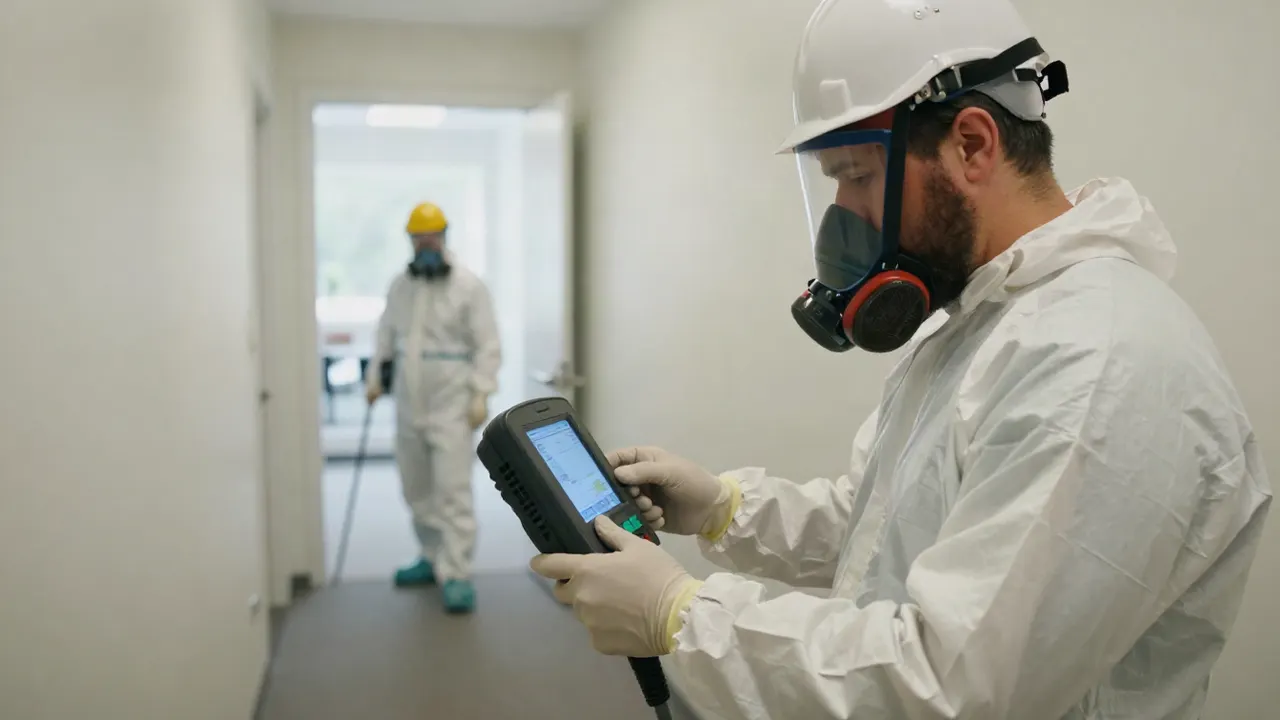
We do not just spray and leave. ATP meters read surface contamination before and after, and HEPA air scrubbers run until particulate counts drop. If your client or your insurer asks for proof, you have numbers, not just a handwritten note saying the area was cleaned.
Direct Insurance Billing
Most general liability and workers comp policies cover industrial accident remediation Naval Air Station JRB. We document the scene, photograph the affected area, and bill the carrier directly so you are not fronting five figures while the claim is pending. Ask us for a coverage checklist when you call.
How service works
How Our Industrial Accident Cleanup Process Works
Five steps, from the first phone call to a signed clearance. You always know who is on-site, what they are doing, and when the area will be released back to production.
STEP 01
Phone Triage
You call (713) 804-9653 and reach a live dispatcher, not a voicemail. We ask what spilled, how much, whether anyone was injured, and whether the area is ventilated. That call takes about five minutes and lets us load the right PPE, disinfectants, and absorbents before the truck leaves the yard.
Tools and methods
Tools and Methods We Use on Every Job
Tyvek suits and P100 respirators
Full-body protection and respiratory filtration for technicians working in bloodborne pathogen and chemical environments. We fit-test every crew member before they enter a hot zone.
Biohazard bags and sharps containers
Puncture-proof containment for contaminated waste and sharps. Every bag and container is labeled, manifested, and transported to a permitted disposal facility.
ATP meters
Surface contamination verification. We swab surfaces before and after disinfection and record the readings in the clearance summary so you have numbers, not just a signature.
Hydroxyl and ozone generators
Odor neutralization for chemical and biological contamination. Hydroxyl generators run safely in occupied-adjacent spaces; ozone generators run in sealed areas with no occupancy.
HEPA air scrubbers
Airborne particulate removal during and after remediation. We run scrubbers until particulate counts return to baseline, especially in enclosed shop bays and warehouses.
Thermal and ULV foggers
Broad-surface disinfection for large areas, ductwork, and porous materials that cannot be wiped. We use EPA-registered disinfectants rated for the specific hazard on-site.
Absorbent pads and booms
Liquid containment for chemical and fuel spills. Pads and booms stop the spread before it reaches drains, and the saturated material is bagged and manifested for disposal.
OSHA Bloodborne Pathogens Standard 29 CFR 1910.1030
The federal standard that governs how we handle blood, bodily fluids, and other potentially infectious material. It drives our PPE selection, waste handling, and exposure control plan on every biohazard job.
EPA-registered hospital-grade disinfection
We use only EPA-registered disinfectants rated for the specific pathogen or hazard on-site. Sporicidal agents are used where bacterial spores are a concern, and enzyme cleaners break down organic material before disinfection.
IICRC biohazard remediation protocols
The IICRC standard guides our containment, removal, and verification steps. It is the same framework insurers and safety officers recognize when they review a cleanup scope.
DOT Hazardous Materials Regulations
Every waste load we transport follows DOT rules for classification, packaging, labeling, and manifesting. That keeps your facility compliant and gives your environmental officer a clean paper trail.
TCEQ waste handling compliance
Texas Commission on Environmental Quality rules govern how we dispose of hazardous and biohazard waste in this state. We use permitted facilities and provide manifests that satisfy TCEQ reporting requirements.
Where this service fits
When to Call for Industrial Accident Cleanup
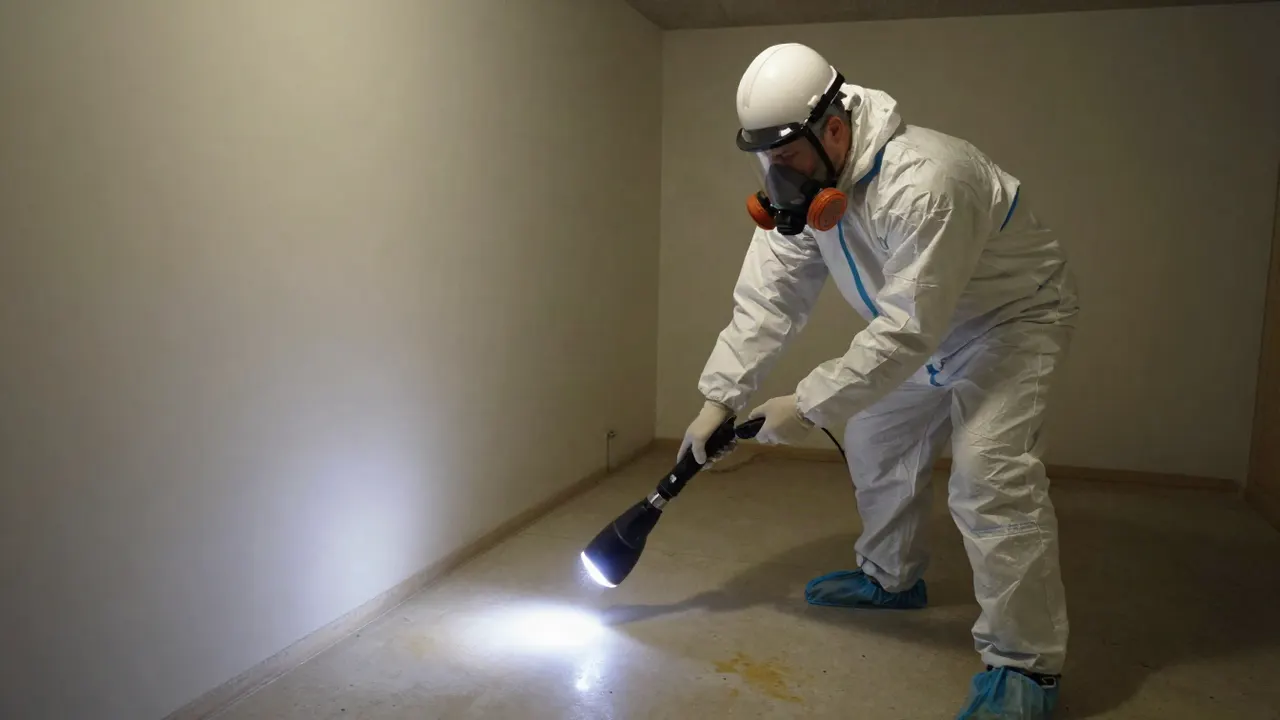
A machine injury on a shop floor leaves blood on tools, equipment, and the concrete slab.
We contain the bay, remove contaminated material into biohazard bags and sharps containers, and disinfect tools and surfaces with hospital-grade products. Porous items that cannot be cleaned are bagged and disposed of through a permitted waste stream. The bay is released back to production the same shift or the next morning, with a waste manifest and disinfection log for your safety file.
A chemical spill in a warehouse reaches a floor drain and the smell is spreading into the office.
We contain the drain, absorb the liquid with pads and booms, and treat the affected slab with sporicidal agents. Hydroxyl generators and HEPA air scrubbers run until air quality readings return to baseline. The odor is gone, the drain is documented as clean, and you have a waste manifest for TCEQ reporting if it is required.
A fuel or solvent release soaks into a loading dock and the area needs to reopen before the next delivery.
We stage containment, remove the saturated material, and treat the concrete with enzyme cleaners. We coordinate with your carrier on the claim and provide a scope narrative that matches the damage photos. The dock reopens within 24 hours, and your carrier has everything needed to process the claim without a second site visit.
An unattended death is discovered in a break room or storage area on a weekend.
We respond 24/7, work after hours when possible, and coordinate with your HR and safety leads. Decomposition odor is treated with hydroxyl generators, and affected porous material is removed and disposed of. The space is returned to a clean, documented state, and your team has a single point of contact for the carrier and the family.
Local execution
How Industrial Accident Cleanup Runs in Naval Air Station JRB
Naval Air Station JRB sits on the west side of Fort Worth, and the industrial mix here is different from a typical downtown job. You have aviation maintenance hangars, machine shops, warehouses, and fuel-handling areas, all within a few miles of residential neighborhoods like Westworth Village and White Settlement. That means our crews train for both chemical and biological hazards on the same call, and we stage trucks on the west side so we are not fighting I-30 traffic when you need us. Summer heat is the biggest local factor: a spill in an unventilated hangar in July can push indoor temperatures past 110 degrees, which shortens the safe work window for technicians in Tyvek suits. We rotate crews and run cooling stations on those jobs. Winter brings its own issues, because cold concrete slows the cure time on some disinfectants, so we adjust product selection and dwell times. If you need professional industrial accident cleanup in Naval Air Station JRB Texas, call (713) 804-9653 and we will confirm an ETA before we hang up.
NAS JRB Fort Worth
The base itself has hangars, shops, and fuel-handling areas. We coordinate with base safety and environmental offices before we arrive so access and waste staging are pre-cleared.
Westworth Village
A mix of small industrial and residential blocks. We stage trucks here because it is a short drive to the base and to River Oaks and White Settlement calls.
White Settlement
Warehouse and light-industrial properties with older concrete slabs. Spills here often soak deeper, so we budget extra time for slab treatment and verification.
Benbrook
Larger facilities with HVAC systems that can spread odor fast. We shut down and isolate ductwork early on Benbrook calls to keep the smell out of office areas.
Lake Worth
Properties near the lake sometimes have exterior spill exposure. We coordinate with TCEQ if a release reaches soil or storm drains and document the containment.
Summer heat in unventilated hangars and shops
Indoor temperatures above 110 degrees shorten the safe work window for technicians in Tyvek suits. We rotate crews, run cooling stations, and schedule the heaviest removal work for early morning or overnight.
Older concrete slabs in White Settlement and River Oaks
Porous slabs absorb liquids deeper than newer construction. We budget extra time for slab treatment and use ATP meters to confirm the contamination is fully removed before we release the area.
Shared HVAC in multi-tenant industrial parks
Odor and airborne particulate can migrate into neighboring units. We isolate ductwork early and run HEPA air scrubbers at the boundary to keep the contamination contained to your space.
Winter cold slowing disinfectant dwell times
Some EPA-registered disinfectants need warmer temperatures to hit their kill claims. We adjust product selection and extend dwell times on cold-weather jobs so the disinfection is still verified.
Problems we solve
Industrial Accident Problems We Solve in Naval Air Station JRB
Untrained cleanup turns a bad shift into a long-term liability. Here are the problems we hear most often from site managers and safety officers, and how we handle each one.
Employees wiping up blood with paper towels
We remove the material with biohazard bags and sharps containers, then disinfect the surface with EPA-registered sporicidal agents. Your employees never touch the waste, and you get a disinfection log that satisfies OSHA 1910.1030 recordkeeping. Paper towels do not kill bloodborne pathogens. They spread them to hands, tools, and drains, and they create an OSHA recordable exposure for every worker who touches the waste.
Chemical spill soaked into concrete
We pull the affected material, treat the slab with enzyme cleaners and sporicidal agents, and run hydroxyl generators until air quality readings return to baseline. If the contamination reached the subfloor, we remove and replace that section. Concrete is porous. A spill that looks dry on the surface can off-gas for weeks, and the odor will migrate into offices and break rooms through the slab and ductwork.
Insurance claim stalled on documentation
We photograph the scene before, during, and after, and we provide a waste manifest, disinfection log, and scope narrative in one PDF. Our documentation package is built for adjusters, and we bill your carrier directly so you are not fronting the cost. Adjusters deny or delay claims when the documentation is thin. Missing photos, no waste manifest, and no scope narrative can push a $6,000 claim into a six-week review.
Lingering odor after a cleanup
We neutralize the source with hydroxyl generators and ozone generators, not fragrance. HEPA air scrubbers pull airborne particulate, and we verify with odor panels before we release the area. If the odor returns within our warranty window, we come back. Odor is the number one complaint after a spill. If the source was not fully removed, the smell returns within days and employees start refusing to work in the area.
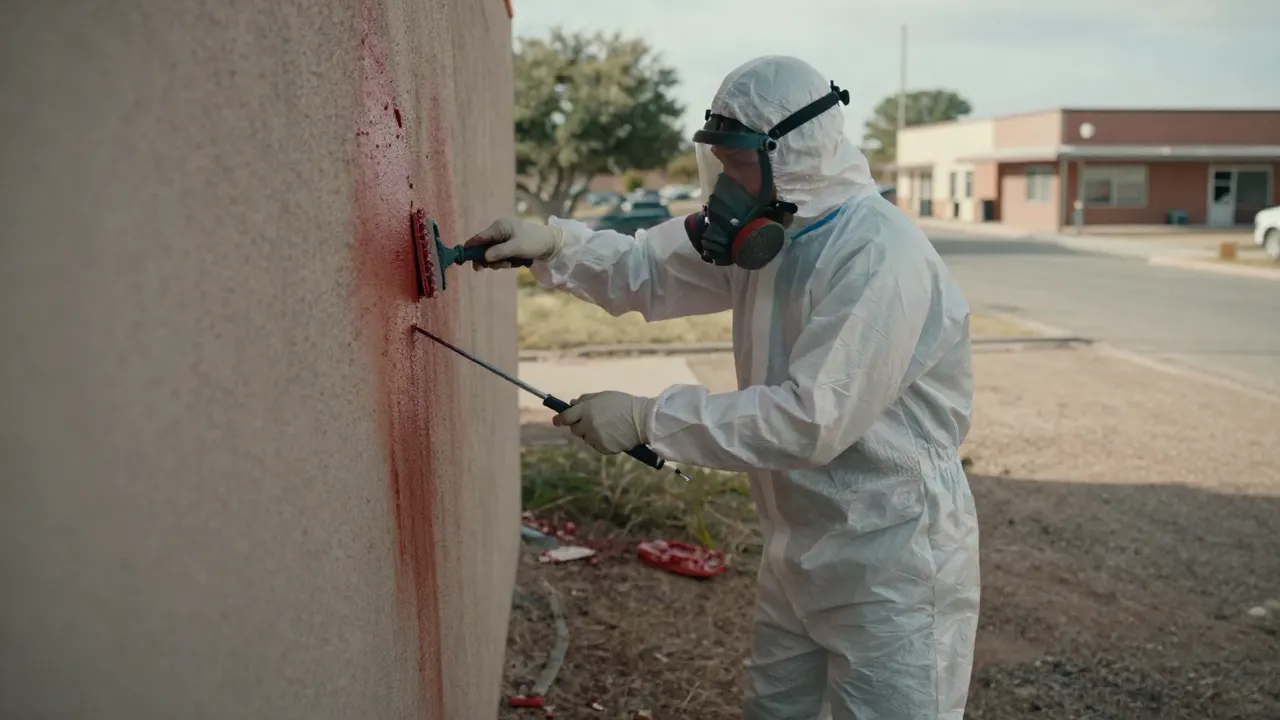
A practical standard for every visit.
Clear planningPrepared arrivalsCareful workLocal follow-through
Experience in the details
Four Years of Biohazard and Hazmat Field Work
TraumaShield Pros has been handling industrial accident remediation since 2022, and in that time our crews have worked chemical releases, machine-injury scenes, and fuel spills across Tarrant County. Every technician trains on OSHA Bloodborne Pathogens Standard 29 CFR 1910.1030, the OSHA Hazard Communication Standard, and DOT Hazardous Materials Regulations before they touch a scene. We hold IICRC credentials in biohazard remediation and follow ABRA best practices for waste handling. Our supervisors carry current respirator fit-test records and are trained on thermal and ULV foggers, HEPA air scrubbers, and ATP verification. When a call comes in at 2 a.m., the person who answers knows the difference between a Class A and Class B biohazard, and the truck that rolls is stocked for either.
Where we work
One local team. A lot of ground covered.
NAS JRB Fort WorthWestworth VillageWhite SettlementRiver OaksSansom ParkLake WorthBenbrookCityviewWestern HillsWedgwood
Check my address Before the visit
Frequently Asked Questions About Industrial Accident Cleanup
Still wondering?(713) 804-9653
Most industrial accident cleanup jobs in Naval Air Station JRB run $1,200 to $8,500 in 2026, depending on square footage, material type, and how long the contamination sat. A small blood spill in a shop bay is on the low end. A chemical release that reached a drain or soaked into porous concrete pushes toward the high end. We give you a written range before we start, and we bill your carrier directly when the claim is covered.
TraumaShield Pros handles industrial accident cleanup in Naval Air Station JRB, Texas, with 24/7 dispatch and a crew staged on the west side of Fort Worth. We are trained to OSHA 1910.1030 and IICRC biohazard standards, and we carry the PPE, absorbents, and waste containers needed for chemical, biological, and mixed-hazard scenes. Call (713) 804-9653 and a live dispatcher will triage the scene with you.
Yes, most general liability and workers compensation policies cover industrial accident remediation Naval Air Station JRB when the incident is a covered event. We document the scene with photos, waste manifests, and a scope narrative, then bill the carrier directly. If your policy has a deductible, we tell you what that number is before we start so there are no surprises on the invoice.
A typical shop-floor spill takes four to eight hours from arrival to clearance. Larger scenes involving porous concrete, HVAC contamination, or decomposition odor can run 24 to 72 hours because we cycle hydroxyl generators and HEPA scrubbers until ATP readings and odor panels pass. We give you a time estimate after the site assessment, usually within 30 minutes of arrival.
Keep exploring
Other Services We Handle Alongside Industrial Accidents
Your next step is waiting
Call Now for Industrial Accident Cleanup in Naval Air Station JRB, Texas
One call reaches a live dispatcher who can triage your scene and get a crew rolling. We are insured, IICRC-trained, and we bill your carrier directly. Call (713) 804-9653 and we will walk you through containment while the truck is on the way.
Start with the basics
Contact TraumaShield Pros
Call (713) 804-9653 any time, day or night. We answer 24/7 and dispatch crews from NAS JRB Fort Worth around the clock. If you prefer email, send the details to info@traumashieldpros.com and we will respond the same day. Most calls inside our service area get a truck on-site within 60 minutes.